Driving Through Malé: A Local Food Adventure You Can’t Miss
Exploring Malé, the vibrant capital of the Maldives, by self-drive isn’t just convenient—it’s a gateway to authentic island flavors most tourists never taste. I hit the roads to uncover hidden eateries, bustling markets, and family-run spots serving fresh tuna curries, fragrant roshi bread, and sweet hedhikaa snacks. This is real Maldivian life, one bite at a time. If you want culture on a plate, this journey delivers. Beyond the luxury resorts and turquoise lagoons, Malé pulses with daily rhythms shaped by the sea, faith, and generations of island traditions. This is where food is more than sustenance—it’s memory, identity, and connection. For travelers ready to move beyond postcard views, driving through Malé offers an intimate, flavorful path into the soul of the nation.
Why Malé? Uncovering the Heart of the Maldives
Though the Maldives is renowned for its scattered atolls and secluded island resorts, the capital city of Malé stands as a dynamic cultural nucleus. Covering just over eight square kilometers and home to over 200,000 residents, it ranks among the most densely populated cities in the world. Yet within this compact urban space lies the pulse of Maldivian life—its language, traditions, and, most expressively, its cuisine. Unlike the curated menus of resort buffets, Malé’s food reflects the rhythm of everyday existence: practical, deeply rooted in the ocean, and rich with history.
For visitors seeking authenticity, Malé offers a rare window into how locals live, work, and eat. The city is not built for grand tourist spectacles; it thrives on routine, community, and resilience. Its narrow streets buzz with motorbikes, schoolchildren in crisp uniforms, and the scent of frying fish wafting from roadside stalls. This is where generations have relied on tuna as a dietary cornerstone, where coconut milk thickens curries, and where meals are shared with neighbors and family. To experience Malé’s food is to understand its people—not as performers of culture, but as its quiet keepers.
While many tourists remain confined to island resorts, those who venture into Malé discover a different side of the Maldivian story. Self-driving—or using local transport—unlocks access to neighborhoods where restaurants cater not to Instagram aesthetics but to local palates. These are places where spice levels are bold, portions are generous, and the ingredients are often hours from the sea. Mobility becomes a tool of cultural access. Whether navigating on foot, by scooter, or with a trusted driver, the freedom to explore at one’s own pace allows deeper engagement with the city’s culinary heartbeat.
Contrast this with the typical resort dining experience: elegant presentations, international fusion, and menus designed for global appeal. While enjoyable, these meals often lack the raw authenticity found in Malé’s short-eat shops and market-side vendors. In the capital, food is not a luxury performance—it’s a necessity shaped by geography, climate, and tradition. Tuna is not seared for presentation; it’s boiled, shredded, and mixed with onion, chili, and lime because that’s how it’s been prepared for centuries. Roshi, the Maldivian flatbread, is cooked fresh throughout the day because it hardens quickly—there’s no room for yesterday’s batch. To eat here is to participate in a living food culture, not a staged version of it.
Getting Around: Navigating Malé Your Way
One of Malé’s defining features is its walkability. The city is small enough that most key areas—the fish market, local mosques, government buildings, and major residential zones—can be reached on foot in under 30 minutes. For many residents, walking is the default mode of transport, especially during the cooler hours of morning and late afternoon. Sidewalks are narrow but generally clear, and pedestrian crossings, though not always marked, are respected by drivers. Walking allows travelers to absorb the city’s sensory details: the sound of call to prayer echoing from minarets, the sight of women in colorful abayas, and the sudden aroma of fried bajiya from a street cart.
However, for those looking to cover more ground or visit neighboring islands like Hulhumalé or Villingili, motorized transport offers greater flexibility. Scooter rentals are available through select guesthouses and local operators, providing an efficient way to glide through traffic. Riders should be cautious—roads are compact, and traffic can be unpredictable, especially during rush hours when school lets out and offices close. Helmets are strongly recommended, and international driving permits are typically required for legal operation. While Maldivian roads follow left-hand traffic, signage is minimal, so familiarity with the city layout or the use of offline maps is advisable.
Taxis and ride-hailing services are also accessible. Unlike in some destinations, taxis in Malé do not use meters; fares are negotiated in advance or follow a standard rate system set by local authorities. Many visitors use mobile apps connected to registered driver networks, ensuring transparency and safety. These services are particularly useful for those traveling with children or in hot midday heat, when walking becomes less comfortable. For group travel or island-hopping, local vans known as “route cabs” operate on fixed routes and are an affordable option, though schedules may be informal and routes less intuitive to newcomers.
Understanding Malé’s traffic patterns enhances the experience. Mornings between 7:00 and 9:00 a.m. are busy with commuters and school traffic. Midday sees a lull, especially during Friday prayers, when many shops close temporarily. Evenings bring a resurgence of activity as families head out for dinner or evening strolls. Parking is limited within the city center, and designated spots are often occupied by government or commercial vehicles. Travelers driving scooters or cars should plan routes with nearby parking zones in mind, such as the multi-story parking near the harbor or the lots near the artificial beach area.
Road etiquette in Malé reflects broader cultural values: respect, patience, and community awareness. Honking is used sparingly, and drivers often yield to pedestrians, especially near schools and markets. As a visitor, observing these norms—such as slowing down near mosques during prayer times or avoiding loud music on scooters—demonstrates respect and fosters goodwill. Navigating Malé is not just about reaching destinations; it’s about moving through the city with mindfulness, allowing the journey itself to become part of the cultural immersion.
Breakfast Like a Local: Morning Flavors That Fuel the City
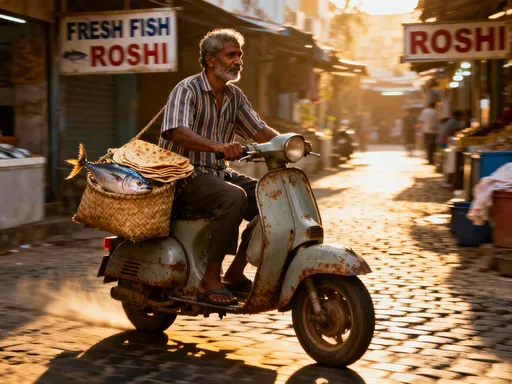
In Malé, the day begins early, and breakfast is not an afterthought—it’s a foundational meal that sets the tone for work, school, and daily life. The most iconic morning dish is mas huni, a simple yet deeply flavorful preparation of shredded smoked tuna mixed with finely chopped onion, fresh coconut, chili, and lime. Served with hot roshi—a soft, griddle-cooked flatbread—it forms the backbone of the Maldivian breakfast table. The dish is often assembled at home, but it’s equally common to find it freshly made at roadside stalls as early as 5:30 a.m., when fishermen return from night catches and shopkeepers open their doors.
Another staple is garudhiya, a clear fish broth simmered for hours with tuna, curry leaves, ginger, and salt. Unlike rich, coconut-heavy curries, garudhiya is light and restorative, often sipped with a side of rice, lime, and chili. Families may serve it alongside roshi, tearing the bread into pieces to soak up the broth. For many Maldivians, this meal represents comfort and continuity—a taste passed down through generations. Travelers who rise early enough to visit local neighborhoods like Henveiru or Galolhu will find small eateries already bustling with office workers and students grabbing a quick, nourishing start to their day.
The timing of breakfast matters. In Malé, the freshest ingredients are available in the early hours. Fish brought in overnight is processed at dawn, ensuring peak quality for morning meals. Vendors at the Galolhu market begin arranging their displays before sunrise, and home cooks often buy tuna just hours after it’s landed. This immediacy is part of what makes Maldivian cuisine so distinctive—there’s little reliance on freezing or preservation when the ocean delivers daily. For visitors, aligning meal times with local rhythms means experiencing food at its most vibrant and authentic.
Neighborhoods like Henveiru and Galolhu are ideal for breakfast exploration. These areas are less frequented by tourists but rich in culinary tradition. Small family-run shops, sometimes just a counter with a few stools, serve mas huni and roshi at modest prices. Some add variations—like boiled egg or grated carrot—to the classic mix, but the core ingredients remain unchanged. Observing how locals eat—quickly, communally, with hands—is part of the lesson in cultural appreciation. There’s no pretense here; food is functional, delicious, and deeply tied to identity.
Street Eats & Hidden Stalls: Where the Real Taste Lives
If Malé’s soul has a flavor, it’s found in its street food. Away from polished restaurants, tucked into alleyways and market corners, vendors sell snacks that are as much a part of daily life as the call to prayer. These are not tourist gimmicks but real foods, eaten by real people. The most reliable way to spot an authentic stall is to look for a crowd—especially one made up of local workers, fishermen, or schoolchildren. Long lines are a sign of both freshness and trust, as Maldivians are discerning about where they eat.
Among the most beloved snacks is gulha, a small, deep-fried dumpling filled with a mixture of smoked tuna, onion, chili, and curry leaves. Crispy on the outside and tender within, it’s often eaten with a squeeze of lime. Equally popular are bajiya—Maldivian samosas filled with tuna, coconut, or vegetables, then fried to golden perfection. These are common afternoon treats, sold from carts near schools and bus stops. Keemia, another favorite, consists of spiced fish paste rolled into a cigar shape, coated in flour, and deep-fried. It’s portable, flavorful, and satisfying—ideal for a quick bite between errands.
Hygiene is a natural concern for visitors, but most reputable street vendors maintain clean practices. Many use disposable paper wraps or banana leaves, and oil is changed regularly. Look for stalls where food is cooked to order and kept covered when not in use. Vendors who wash their hands frequently and use utensils rather than bare hands are generally safe choices. Bottled water is widely available, and it’s wise to avoid tap water or ice from unknown sources. That said, many locals drink tap water without issue, as Malé’s water supply is treated and monitored.
Part of the joy of street eating in Malé is the interaction. Vendors are often happy to explain their dishes, especially if greeted with a simple “Assalaamu alaikum” (peace be upon you) and a smile. Some may offer a sample or adjust spice levels upon request. These small exchanges build bridges, transforming a meal into a moment of human connection. For women travelers, especially those in their 30s to 50s, these interactions can feel particularly welcoming—older vendors often treat guests like daughters or sisters, offering extra portions or advice on other good spots to visit.
Market Deep Dive: The Soul of Maldivian Cuisine
No visit to Malé is complete without a trip to the Malé Fish Market, a vibrant, sensory-rich hub where the city’s relationship with the sea becomes tangible. Located near the harbor, the market buzzes from early morning until mid-afternoon, filled with the sounds of haggling, the glint of silver fish scales, and the sharp scent of brine and chili. Rows of stainless steel counters display an astonishing variety of seafood—yellowfin tuna, wahoo, grouper, and reef fish—each laid out with precision by vendors who take pride in their craft.
The fish market is not just a place to buy food; it’s a classroom in Maldivian cuisine. Here, visitors can see how tuna is butchered—split into loins, cheeks, and tail sections—each part destined for a different dish. The prized “fimbulhu” (dried tuna) hangs in bundles overhead, a key ingredient in many traditional recipes. Spices like turmeric, cumin, and fenugreek are sold in cloth bags, while fresh curry leaves, lime, and green chilies complete the aromatic palette. The market is a testament to simplicity: few processed ingredients, no artificial flavors, just the essentials that define the nation’s taste.
Engaging with vendors enhances the experience. Learning a few Dhivehi phrases—like “Eku hitaa?” (How much?) or “Kandu mas” (tuna fish)—goes a long way. Many sellers appreciate the effort and may share cooking tips or recommend the day’s freshest catch. For families or solo travelers interested in local life, the market offers a safe, open environment to observe, photograph (with permission), and learn. It’s also a place where gender roles are visible but not restrictive—women manage stalls, negotiate prices, and carry heavy loads with quiet strength, reflecting their central role in Maldivian households.
Lunchtime Gems: Small Eateries with Big Flavor
By midday, Malé’s short-eat shops come alive. These no-frills eateries, often family-run and housed in modest storefronts, serve hearty, affordable meals to office workers, laborers, and students. The menu is straightforward: a choice of fish or meat curry, a side of lentils or salad, and a stack of hot roshi or rice. Portions are generous, prices are low, and the pace is fast. Communal tables encourage brief conversations, and the air is filled with the clatter of plates and the murmur of conversation.
Signature dishes include curried octopus, a rich and slightly chewy preparation simmered in coconut milk and spices, and fried fish platters featuring whole fillets dusted with turmeric and deep-fried until golden. Lentil sides, often flavored with cumin and garlic, provide balance. Some shops offer a daily special—like biryani or fish soup—based on what’s fresh at the market. The experience is unpretentious but deeply satisfying, a reminder that good food doesn’t require fancy decor or long waits.
These eateries reflect the Maldivian value of practicality. Meals are designed to fuel a hard day’s work, not to impress. Service is quick because customers often have short breaks. Yet there’s warmth in the way owners greet regulars by name or offer extra lime on the side. For visitors, eating at a short-eat shop is an act of cultural participation—a chance to sit among locals, eat with hands (if comfortable), and savor flavors that have sustained island life for generations.
Sweet Endings & Final Bites: Hedhikaa and Afternoon Rituals
As the afternoon sun softens, Malé slows into a gentle rhythm. This is hedhikaa time—the Maldivian tradition of afternoon snacks, often enjoyed with strong black tea. These treats are sweet, simple, and deeply comforting. Kulhi boakibaa, a savory fish cake made with tuna, coconut, and spices, is a popular choice, though sweeter options like banana fritters or sugary chapati (fried flatbread drizzled with condensed milk) are equally beloved. Some households prepare these at home; others buy them from neighborhood vendors who set up carts near parks or mosques.
Afternoon tea is more than a meal—it’s a pause, a moment of connection. Families gather, friends meet, and older women chat over steaming cups. The tea is strong, spiced with cardamom or ginger, and served in small glasses. It’s not uncommon to be invited to join, especially if seen lingering nearby. For travelers, accepting such an offer—even briefly—can lead to some of the most memorable exchanges of the trip.
Best spots to enjoy this ritual include the artificial beach area, where benches face the water, or quiet corners of local parks. These are places to sit back, observe daily life, and let the flavors of Malé settle in. The pace is slow, the mood relaxed, and the sense of belonging palpable.
Wrapping Up: Why This Journey Changes How You See the Maldives
Driving through Malé is more than a culinary tour—it’s a redefinition of what it means to experience the Maldives. Beyond the postcard-perfect resorts and overwater bungalows lies a nation shaped by resilience, community, and the rhythm of the sea. To eat in Malé is to taste that truth: in the flaky roshi, the fiery mas huni, the steaming garudhiya, and the sweet crunch of a banana fritter bought from a smiling vendor.
This journey encourages a slower, more mindful way of travel—one that values connection over convenience, authenticity over aesthetics. It invites visitors, especially women who appreciate culture, family, and everyday beauty, to step off the beaten path and into the heart of island life. The flavors of Malé are not hidden; they’re waiting in plain sight, served with pride and patience.
True Maldivian flavor isn’t found behind resort gates. It’s in the hands of a fishmonger at dawn, the laughter at a communal lunch table, the quiet warmth of an afternoon tea shared with strangers who feel like neighbors. For those willing to drive their own path, Malé offers not just a meal, but a memory—one bite at a time.