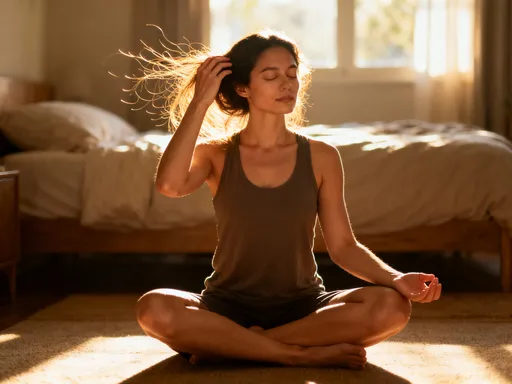
How I Stay Calm and Strong: My Real Talk on Meditation for Staying Healthy
You don’t have to be “spiritual” to benefit from meditation—it’s more than just sitting quietly. I started because I was tired, stressed, and getting sick too often. Over time, this simple habit helped me feel more in control, sleep better, and even avoid colds. Science shows meditation supports your immune system and lowers stress-related illness risks. Let me share how it works—and how you can make it work for you—without any fluff or fake promises.
The Wake-Up Call: When Stress Almost Broke Me
There was a time when I thought being busy was the same as being strong. I was raising my kids, managing a part-time job, and caring for aging parents—all while pretending I had everything under control. But my body knew the truth. I was constantly fatigued, catching every cold that went around, and waking up in the middle of the night with a racing mind. My doctor told me I wasn’t doing anything “wrong,” but my immune system was clearly struggling. I wasn’t eating poorly or skipping the doctor’s appointments—yet I kept getting sick.
What I didn’t realize then was that chronic stress was the hidden culprit. Stress isn’t just an emotional experience—it has real, measurable effects on the body. When stress becomes constant, the body stays in a heightened state of alert, flooding the system with stress hormones like cortisol. Over time, this leads to increased inflammation, disrupted sleep patterns, and a weakened ability to fight off infections. Research from institutions like the Mayo Clinic and Harvard Medical School has shown that prolonged stress can impair immune function, making people more vulnerable to everything from colds to more serious conditions.
That’s when I started looking for ways to reset—not to eliminate stress entirely, because that’s impossible in real life, but to help my body recover from it more effectively. I didn’t need another supplement or a drastic lifestyle overhaul. What I needed was a tool to calm my nervous system on a daily basis. That’s how I found meditation—not as a spiritual ritual, but as a practical, science-backed method to support my health from the inside out. It wasn’t a cure, but a way to build resilience, like strength training for the mind and body.
Meditation Isn’t Magic—It’s Training for Your Nervous System
One of the biggest misunderstandings about meditation is that it’s about clearing your mind completely or achieving a state of perfect peace. That’s not how it works. Meditation is better understood as mental training—similar to how physical exercise strengthens muscles. The goal isn’t to stop thinking, but to change your relationship with your thoughts. When you meditate, you practice observing your mind without reacting, which over time helps reduce mental noise and emotional reactivity.
From a biological standpoint, meditation directly influences the autonomic nervous system. Most of the time, especially under stress, we operate in “fight-or-flight” mode—governed by the sympathetic nervous system. This state increases heart rate, tenses muscles, and suppresses non-essential functions like digestion and immune response. Meditation, however, activates the parasympathetic nervous system, often called the “rest-and-digest” mode. This shift allows the body to repair, restore, and rebalance. Studies using brain imaging have shown that regular meditation increases activity in areas linked to calmness and emotional regulation, while decreasing activity in the amygdala, the brain’s fear center.
The long-term benefits are supported by science. For example, a meta-analysis published in JAMA Internal Medicine found that mindfulness meditation programs can improve anxiety, depression, and pain. Other research has linked meditation to lower blood pressure, improved sleep quality, and even enhanced immune function. One notable study from the University of Wisconsin-Madison showed that people who practiced mindfulness meditation produced more antibodies after a flu vaccine than those who didn’t meditate. This suggests that meditation doesn’t just make you feel calmer—it may actually strengthen your body’s defenses.
It’s important to understand that meditation isn’t a replacement for medical treatment. If you’re managing a health condition, you should always follow your doctor’s advice. But as a complementary practice, it offers a low-cost, accessible way to support overall well-being. You don’t need special equipment, a quiet retreat, or hours of free time. What you do need is consistency and a willingness to show up, even when it feels awkward or uncomfortable at first.
My First Try—And Why I Almost Gave Up
When I first sat down to meditate, I lasted less than three minutes. My back hurt, my mind raced, and I kept checking the clock. I thought I was doing it wrong—maybe I wasn’t cut out for this. I expected to feel peaceful and centered, but instead, I felt restless and frustrated. I remember thinking, “If I can’t even sit still for five minutes, how am I supposed to get any benefit from this?” It was easy to believe that meditation was only for people with perfect discipline or endless patience.
What changed my mind was learning that restlessness is normal—especially in the beginning. The discomfort I felt wasn’t a sign of failure; it was a sign that my body and mind were used to being in constant motion. Meditation was simply revealing how rarely I allowed myself to pause. Experts often compare the untrained mind to a puppy—eager, distracted, and easily pulled in different directions. The practice isn’t about scolding the puppy, but gently bringing it back each time it wanders. That’s what meditation is: not perfection, but gentle redirection.
I also had to let go of the idea that longer sessions were better. Starting with just two minutes a day made it feel manageable. Some days, I only did one round of slow breathing before bed. But I kept showing up. Over time, those small moments added up. I began to notice subtle shifts—like not snapping at my teenager over a messy kitchen, or waking up feeling more rested even after a short night’s sleep. The changes weren’t dramatic, but they were real. And that kept me going.
The biggest lesson I learned was that consistency matters more than duration. It’s better to meditate for two minutes every day than for twenty minutes once a week. Progress in meditation isn’t measured by how long you sit, but by how you respond to life’s challenges. When you practice regularly, you start to catch yourself in stressful moments—pausing before reacting, taking a breath, choosing a calmer response. That’s the real benefit: not a perfect meditation session, but a more balanced life.
The 3-Step Method That Actually Stuck for Me
After trying different techniques—guided meditations, silent sitting, even walking meditation—I settled on a simple three-step routine that fits into my daily life. It doesn’t require special training or a quiet room. I can do it in the morning before the house wakes up, during a break at work, or even lying in bed at night. The key is that it’s repeatable, flexible, and easy to remember. Here’s what works for me:
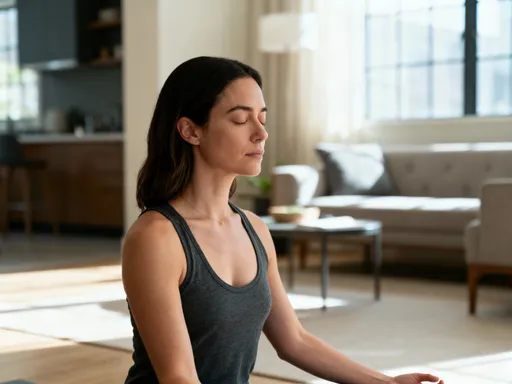
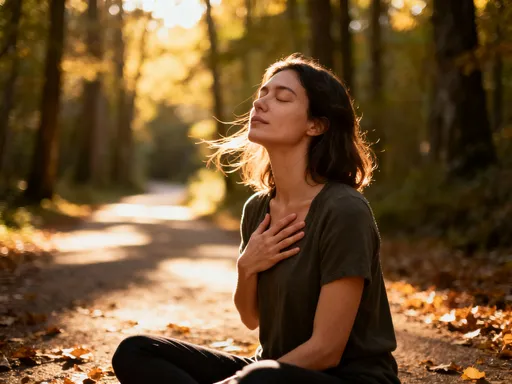
Step 1: Anchor breathing. I close my eyes and bring my attention to my natural breath. I don’t try to control it—just notice the sensation of air moving in and out, the rise and fall of my chest or abdomen. When my mind drifts (and it always does), I gently return to the breath. This step usually lasts two to five minutes. It’s not about stopping thoughts, but about giving the mind a focal point. Think of it like tuning a radio—when the signal is fuzzy, you adjust it until you find clarity.
Step 2: Body scan. I slowly move my attention through my body, starting from the feet and moving upward. I notice areas of tension—maybe in my shoulders, jaw, or lower back—without trying to change anything. The goal is awareness, not correction. Often, just noticing tension helps it begin to release. This step helps reconnect the mind and body, which can become disconnected during periods of high stress. It also improves sleep, especially when done at night, because it signals to the body that it’s time to rest.
Step 3: Gratitude check-in. I take a moment to name one thing I appreciate—anything from a warm cup of tea to a kind word from a friend. This isn’t about forcing positivity, but about gently shifting attention toward what’s good in my life. Research shows that gratitude practices can reduce stress and improve emotional well-being. Even on hard days, there’s usually something small to acknowledge. This step helps end the session on a grounded, positive note.
The beauty of this method is its flexibility. Some days I do all three steps; other days, I only have time for one. I don’t wait for the “perfect” moment—because that never comes. Instead, I fit it into existing routines, like after brushing my teeth or before turning off the lights. The routine has become less of a task and more of a gift I give myself. It’s not about adding one more thing to my to-do list, but about creating space to recharge.
How It Changed My Health (Without Promising Miracles)
I won’t claim that meditation cured anything or transformed my life overnight. But over the past few years, I’ve noticed real improvements in my health. I get sick less often—maybe one cold a year instead of three or four. When I do feel under the weather, I recover faster. My sleep has improved; I fall asleep more easily and wake up feeling more refreshed. I’m less reactive to daily stressors—traffic, last-minute changes, family disagreements—because I’ve built in moments of pause.
These changes aren’t just in my head. They align with what science tells us about meditation’s impact on the body. Chronic stress elevates cortisol, a hormone that, in excess, suppresses immune function and contributes to inflammation. Studies have shown that regular meditation can reduce cortisol levels, which may explain why long-term practitioners report fewer illnesses. One study from Carnegie Mellon University found that mindfulness meditation reduced markers of inflammation in the body, which are linked to a range of chronic diseases, including heart disease and arthritis.
Sleep quality is another area where meditation has made a difference. Insomnia and stress are closely linked, and meditation helps break that cycle by calming the nervous system. A clinical trial published in JAMA Internal Medicine showed that mindfulness meditation improved sleep quality in older adults with moderate sleep disturbances—often more effectively than sleep hygiene education alone. For me, the body scan practice has been especially helpful at night, helping me transition from “doing” mode to “resting” mode.
It’s important to emphasize that meditation is not a substitute for medical care. If you have a health condition, you should always consult a healthcare provider. But as part of a holistic approach to wellness—alongside good nutrition, regular movement, and adequate sleep—meditation can play a valuable role in prevention. It’s not about chasing perfection, but about building resilience. And that makes a difference over time.
Making It Work in a Busy World
One of the most common reasons people give up on meditation is that they “don’t have time.” I get it. Between work, family, and household responsibilities, finding even five minutes can feel impossible. But the truth is, meditation doesn’t require a big time commitment. What it does require is intention. The key is to treat it like brushing your teeth—not something you do only when you have extra time, but a non-negotiable part of daily self-care.
I’ve learned to weave meditation into moments I already have. For example, I do a short breathing exercise while waiting for the coffee to brew. If I’m stuck in traffic, I use that time to check in with my breath instead of feeding my frustration. At night, I do a brief body scan in bed. These micro-practices add up. They don’t replace longer sessions, but they keep the habit alive on busy days.
Technology can be a helpful ally—if used wisely. There are many well-designed, evidence-based meditation apps that offer short, structured practices. These can be especially useful for beginners who want guidance. Look for apps developed in collaboration with medical or psychological institutions, as they’re more likely to be grounded in research. The goal isn’t to find the “best” app, but one that feels supportive and sustainable.
Another strategy that helped me was habit stacking—pairing meditation with an existing routine. I started by meditating right after brushing my teeth in the morning. Because that habit was already automatic, it became a natural trigger for the next step. Over time, the sequence became ingrained. You can do the same with any consistent daily activity—after lunch, before showering, during a child’s nap time. The more you anchor meditation to something you already do, the more likely you are to stick with it.
Why This Is a Lifelong Practice, Not a Quick Fix
When I first started meditating, I thought of it as something I “should” do—like eating more vegetables or flossing daily. It felt like another item on a self-improvement list. But over time, my relationship with it changed. Now, I don’t meditate because I have to; I do it because I want to. It’s no longer a chore, but a moment of quiet connection with myself. That shift—from obligation to desire—is what makes it sustainable.
Meditation is not a quick fix. It won’t erase all your stress or prevent every illness. But it does build a kind of inner strength that serves you over the long term. Think of it like investing in a savings account for your health. Small, regular deposits may not seem like much at first, but over time, they grow into something valuable. The benefits compound: better sleep leads to more energy, which supports healthier choices, which in turn reduces stress. It’s a positive feedback loop.
Patience and self-compassion are essential. Some days, your mind will be loud. Some days, you’ll forget to meditate altogether. That’s okay. The practice isn’t about being perfect—it’s about showing up, again and again, with kindness toward yourself. Every time you return to your breath, you’re reinforcing a habit of awareness and calm.
In a world that glorifies busyness and productivity, choosing to pause is a radical act of self-care. Meditation isn’t about escaping life; it’s about showing up for it more fully. It helps you stay grounded, respond with clarity, and protect your health from the inside out. As a woman in midlife, balancing responsibilities and caring for others, I’ve learned that taking care of myself isn’t selfish—it’s necessary. And meditation has become one of the quietest, most powerful tools I have.
Meditation didn’t change everything overnight, but it gave me tools to stay steady in chaos. It’s not about escaping life, but showing up for it—healthier, clearer, and more present. When done consistently, it becomes a quiet act of self-care that pays off in fewer illnesses and greater emotional balance. If you’re overwhelmed or just want to stay well, consider giving it a try. Your future self might thank you.