Why I Started Massage Therapy — And Why It Changed Everything
Have you ever felt tension melt away after a good massage? I did — and it opened my eyes to how powerful touch can be for healing. As someone once skeptical about massage therapy, I’ve learned it’s more than just relaxation. From easing daily aches to improving sleep, the benefits are real and backed by science. This is your simple, beginner-friendly guide to understanding how massage supports recovery and overall well-being — no jargon, no hype, just practical insights you can use.
The Moment I Discovered Massage Therapy
For years, I dismissed massage therapy as a luxury reserved for spa days or special occasions. It wasn’t until persistent neck tension began interfering with my daily life that I considered trying it for more than pampering. I had spent countless hours at the kitchen counter, managing household tasks, helping with school projects, and sitting through long family gatherings, often without realizing how much strain I was placing on my body. The discomfort became a constant companion — a dull, nagging ache that radiated from my shoulders up into my scalp. Over-the-counter pain relievers offered temporary relief, but the stiffness always returned.
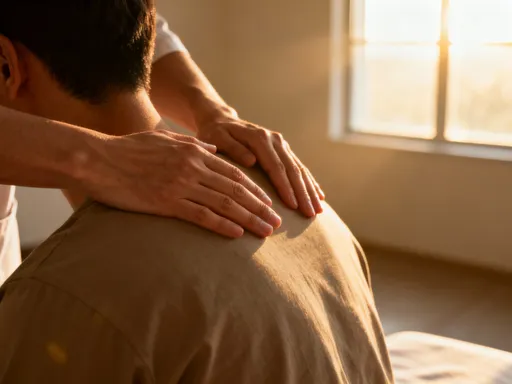
Out of frustration, I booked a session with a licensed massage therapist recommended by a friend. I walked in skeptical, expecting little more than a nice rubdown. What I experienced was different. The therapist assessed my posture, asked about my daily routine, and tailored the session to address muscle tightness and alignment. Within minutes of targeted pressure on my upper trapezius and neck muscles, I felt a shift — not dramatic, but unmistakable. The tightness that had felt like a permanent fixture began to loosen. For the first time in months, I could turn my head without discomfort.
That single session changed my perspective. I began to see massage not as indulgence, but as a form of physical care, much like brushing your teeth or getting enough sleep. Many people share the misconception that massage is only for relaxation or for athletes with intense training schedules. In reality, anyone who moves, sits, stands, or carries emotional stress can benefit. Daily life — parenting, household management, even emotional caregiving — takes a physical toll. Recognizing that tension builds up over time, not just from exercise but from routine activities, was the first step toward prioritizing recovery as part of my health routine.
What Exactly Is Massage Therapy? (And What It’s Not)
Massage therapy is the systematic manipulation of soft tissues — muscles, tendons, ligaments, and fascia — using hands, fingers, elbows, or specialized tools to promote healing, reduce pain, and improve physical function. It is a clinical practice grounded in anatomy and physiology, often used to support recovery from injury, manage chronic pain, or enhance overall well-being. Unlike a spa massage, which may focus primarily on relaxation and sensory experience, therapeutic massage is goal-oriented. It follows an assessment, sets measurable outcomes, and adapts techniques based on individual needs.
One of the most important distinctions is between wellness massage and medical or clinical massage therapy. A general massage at a spa might leave you feeling calm and refreshed, which is valuable, but it may not address underlying muscular imbalances or chronic tension patterns. Clinical massage, on the other hand, is often part of a broader treatment plan coordinated with healthcare providers. It may be recommended for post-surgical recovery, repetitive strain injuries, or conditions like fibromyalgia, always under the guidance of a trained professional.
It’s also essential to understand what massage therapy is not. It is not a cure-all. While it can significantly reduce symptoms and improve quality of life, it should not replace medical treatment for serious conditions. It does not diagnose illness, nor does it substitute for physical therapy or doctor-prescribed interventions. Instead, it functions as a supportive modality — one piece of a holistic health puzzle. When used appropriately, massage complements other forms of care, helping the body return to balance and function more efficiently.
Why Your Body Actually Needs Recovery — Not Just Rest
Many people equate rest with recovery, but they are not the same. Rest means stopping activity; recovery means actively restoring the body’s systems. When muscles are used — whether through exercise, housework, or simply maintaining posture — microscopic tears occur in the muscle fibers. This is a normal part of muscle adaptation, but without proper recovery, inflammation can build up, leading to stiffness, soreness, and reduced mobility. Over time, this can contribute to chronic pain and increase the risk of injury.
Recovery involves more than just time. It requires processes like increased blood flow to deliver oxygen and nutrients, removal of metabolic waste like lactic acid, and nervous system regulation. The body’s autonomic nervous system has two main branches: the sympathetic (responsible for “fight or flight”) and the parasympathetic (responsible for “rest and digest”). Chronic stress — whether emotional or physical — keeps the sympathetic system activated, which can lead to muscle tension, poor sleep, and fatigue. Massage therapy helps shift the body into parasympathetic dominance, allowing healing to occur more effectively.
Daily life often involves repetitive movements and prolonged sitting, which place continuous strain on specific muscle groups. Carrying groceries, bending over to clean, or even holding a child can create imbalances. These small stresses accumulate, especially when not counterbalanced with movement or release. Without intentional recovery, the body adapts to tension, forming knots or trigger points that restrict motion and cause discomfort. This is why recovery is not optional for long-term health — it is essential. Massage provides a proactive way to interrupt this cycle, helping the body reset and function with greater ease.
The Science-Backed Benefits of Regular Massage
Research over the past two decades has increasingly validated what many have felt intuitively: massage therapy offers measurable physiological benefits. One of the most well-documented effects is improved circulation. When pressure is applied to muscles, blood flow increases, delivering more oxygen and nutrients while helping remove metabolic byproducts. A study published in the *Journal of Alternative and Complementary Medicine* found that massage significantly enhanced circulation in participants, particularly in areas with chronic muscle tension.
Another key benefit is the reduction of inflammation. While inflammation is a natural part of healing, chronic inflammation can contribute to pain and disease. Research from McMaster University demonstrated that massage therapy after strenuous exercise reduced the expression of inflammatory cytokines and promoted mitochondrial biogenesis — essentially helping muscle cells regenerate more efficiently. This means massage doesn’t just soothe soreness; it supports the cellular repair process.
Hormonal balance is also influenced by massage. Cortisol, the primary stress hormone, tends to decrease after a massage session, while serotonin and dopamine — neurotransmitters linked to mood and relaxation — increase. A meta-analysis in the *International Journal of Neuroscience* reviewed multiple studies and concluded that regular massage leads to significant reductions in cortisol levels, often by up to 30%. This hormonal shift contributes to better sleep, reduced anxiety, and improved overall emotional well-being.
Over time, consistent massage can enhance flexibility and joint mobility. Tight muscles restrict movement, placing additional strain on joints. By releasing muscular tension and improving tissue elasticity, massage allows for freer motion. This is particularly beneficial as we age, when natural stiffness tends to increase. Improved range of motion supports independence, reduces fall risk, and makes everyday activities — from gardening to playing with grandchildren — more comfortable and enjoyable.
Types of Massage That Actually Help with Recovery
Not all massage techniques are the same, and choosing the right one depends on your goals and physical needs. Swedish massage is one of the most common and gentle forms, using long, flowing strokes, kneading, and circular movements to promote relaxation and improve circulation. It’s ideal for beginners or those seeking general stress relief. While it may not target deep muscle knots, it plays an important role in activating the parasympathetic nervous system and preparing the body for deeper work.
Deep tissue massage focuses on realigning deeper layers of muscles and connective tissue. It uses slower strokes and more direct pressure to address chronic tension, scar tissue, or areas of restricted movement. This technique is often recommended for people with long-standing muscle pain or those recovering from injury. While it may cause some discomfort during the session, it should never be unbearable. A skilled therapist will communicate throughout and adjust pressure based on feedback.
Myofascial release targets the fascia — the web-like connective tissue that surrounds muscles and organs. When fascia becomes tight or restricted due to injury, poor posture, or inflammation, it can cause pain and limit mobility. Myofascial release uses sustained pressure and gentle stretching to release these restrictions. Many people report feeling a sense of “unwinding” during and after this type of massage, with improved posture and reduced pain over time.
Sports massage is designed for physical performance and recovery. It combines elements of Swedish and deep tissue techniques but is tailored to the individual’s activity level and goals. It can be used before an event to warm up muscles, after exercise to speed recovery, or during training to prevent injury. Even if you’re not an athlete, sports massage principles can benefit anyone with an active lifestyle. The key is matching the technique to your needs — whether it’s easing lower back stiffness, improving shoulder mobility, or recovering from a weekend of intense yard work.
How to Start Safely and Smartly (Even If You’re New)
Starting massage therapy doesn’t have to be complicated, but doing it safely matters. The first step is finding a qualified practitioner. Look for a licensed massage therapist (LMT) who has completed accredited training and adheres to professional standards. Licensing requirements vary by region, but a licensed therapist will have in-depth knowledge of anatomy, pathology, and safe techniques. This is different from a wellness masseuse who may work in a spa setting without clinical training.
Before your first session, be prepared to discuss your health history. A responsible therapist will ask about any medical conditions, injuries, medications, or recent surgeries. This information helps them tailor the session and avoid contraindications — situations where massage could be harmful. For example, massage is generally not recommended during acute inflammation, open wounds, or certain stages of cancer treatment. If you have a chronic condition like diabetes, arthritis, or high blood pressure, your therapist can adjust techniques to ensure safety and effectiveness.
Communication during the session is crucial. You should never feel pressured to endure pain. Use a scale from 1 to 10 to describe pressure levels, and speak up if something feels wrong. A good therapist welcomes feedback and will adjust accordingly. Remember, effective massage does not have to be painful. The goal is therapeutic benefit, not endurance.
If you’re unsure whether massage is right for you, consult your healthcare provider first. This is especially important if you have a complex medical history. Once cleared, start with a shorter session — 30 to 45 minutes — to see how your body responds. Many people find weekly or biweekly sessions most beneficial in the beginning, then transition to monthly maintenance as symptoms improve. Consistency, not intensity, leads to lasting results.
Simple Ways to Support Recovery Between Sessions
Massage therapy works best as part of a broader self-care routine. One of the simplest yet most effective practices is staying hydrated. Water helps flush out metabolic waste released during massage and keeps connective tissues supple. Aim to drink extra water on the day of your session and in the following 24 hours to support detoxification and reduce post-massage soreness.
Gentle movement and stretching also enhance the benefits of massage. Static stretches for the neck, shoulders, and lower back can maintain flexibility and prevent muscles from tightening again. Activities like walking, yoga, or swimming promote circulation and joint mobility without overloading the body. The key is consistency — even 10 to 15 minutes a day can make a difference. Avoid prolonged sitting or repetitive motions that counteract the progress made during your session.
At-home tools like foam rollers, massage balls, or handheld massagers can provide temporary relief between professional sessions. While they don’t replace clinical massage, they can help manage minor tension. Use them gently and avoid pressing directly on bones or joints. Focus on broad muscle groups like the calves, thighs, or upper back. If you experience pain or numbness, stop immediately.
Building a sustainable routine means integrating small, manageable habits. Recovery isn’t about perfection — it’s about awareness and intention. Pay attention to how your body feels throughout the day. Notice when you’re holding tension in your jaw or shoulders. Take short breaks to stretch or breathe deeply. Over time, these small choices add up, creating a foundation of resilience and well-being. Think of recovery as a daily practice, not a one-time fix.
Massage therapy isn’t magic — it’s a science-supported way to help your body heal, recover, and function better. Starting small, staying consistent, and working with professionals makes all the difference. Think of it not as a treat, but as a smart investment in your long-term health. Your body wasn’t built to hold tension forever — give it the care it deserves.