Why Your Daily Habits Are the Real Health Report Card
What if the key to lasting health isn’t found in a lab test, but in your daily routine? Science now shows that consistent, small behaviors—how you sleep, move, and eat—serve as powerful indicators of long-term well-being. I’ve tested tracking these patterns, and the results were more revealing than any annual checkup. This is how I learned to read my body’s signals and align with real, science-backed health standards—no hype, just clarity. What emerged wasn’t a rigid prescription, but a personal health narrative written in the quiet details of everyday life: the ease of climbing stairs, the steadiness of mood, the depth of sleep. These are not just fleeting sensations—they are data points, each one contributing to a larger picture of vitality and resilience.
The Hidden Language of Your Body
Your body speaks constantly, but most of us have forgotten how to listen. It doesn’t use words, but sensations: a slight heaviness in the limbs upon waking, a dip in concentration by mid-afternoon, or a bloated feeling after certain meals. These are not random occurrences—they are signals, what researchers increasingly refer to as 'health whispers.' Unlike the loud alarms of illness, such as fever or pain, these subtle cues appear long before a condition becomes serious. They are the early warnings of imbalance, often detectable weeks or even months before clinical symptoms emerge. Recognizing them requires attention, not equipment.
Traditional medical checkups, while valuable, offer only snapshots in time. A blood pressure reading during a clinic visit may appear normal, yet fail to capture the spikes that occur during stressful workdays. Cholesterol levels measured once a year don’t reflect how dietary choices throughout the season are affecting cardiovascular function. This is where daily self-observation becomes essential. It fills the gaps between appointments, creating a continuous thread of information that reveals trends rather than isolated moments. For instance, a woman in her early 40s might have 'normal' lab results but notice she’s increasingly fatigued by 3 p.m., reliant on caffeine, and struggling with digestion. These patterns, when tracked, can prompt earlier interventions than waiting for a diagnosis.
Dynamic health standards—personalized baselines rooted in individual experience—are more meaningful than universal benchmarks. One person’s normal resting heart rate may be 65 beats per minute, while another’s is 58. What matters is consistency within one’s own range. A shift of even five beats over time, especially when paired with fatigue or irritability, may signal overexertion, dehydration, or poor sleep. The concept is similar to a thermostat: it doesn’t wait for the house to become freezing or scorching before acting—it responds to small changes to maintain balance. Your body operates the same way. By tuning into its rhythms, you begin to understand what supports your equilibrium and what disrupts it.
Beyond the Scale: What Truly Matters in Health Monitoring
For decades, weight and BMI have dominated public conversations about health, often treated as the ultimate indicators of wellness. Yet growing evidence shows that these metrics are deeply limited. A person with a 'normal' BMI can still face insulin resistance, high triglycerides, or chronic inflammation—conditions collectively known as 'normal-weight obesity' or 'metabolically unhealthy normal weight.' Conversely, someone with a higher BMI may have excellent cardiovascular fitness, stable blood sugar, and strong muscle mass. Relying solely on the scale risks overlooking what’s truly happening beneath the surface.
More meaningful indicators include sleep quality, resting heart rate, blood pressure trends, and glucose stability. Sleep, for example, is a cornerstone of metabolic and immune function. Poor or inconsistent sleep has been linked to increased risk of type 2 diabetes, weight gain, and cognitive decline. Tracking how quickly you fall asleep, how often you wake, and how rested you feel in the morning provides insight far beyond what any blood test can offer in isolation. Similarly, resting heart rate—a simple measure taken in the morning before rising—reflects cardiovascular efficiency. A gradual increase over weeks may indicate stress, dehydration, or overtraining, even if you feel generally fine.
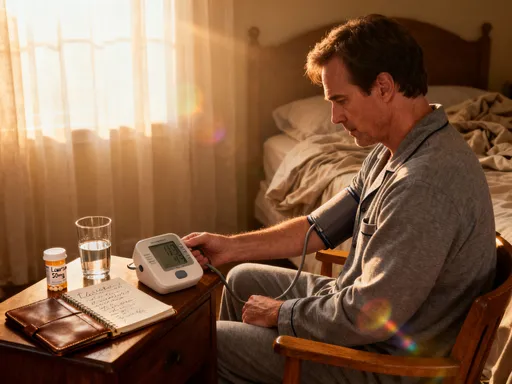
Blood pressure trends tell another story. A single reading can be influenced by anxiety or recent activity, but daily tracking reveals patterns. Consistently elevated readings, even if not yet in the 'hypertensive' range, may signal early vascular strain. Glucose stability, increasingly accessible through continuous monitoring or dietary awareness, reflects how your body handles energy. Spikes and crashes in blood sugar can lead to fatigue, mood swings, and long-term metabolic dysfunction. A woman who eats a high-carbohydrate breakfast every day may not gain weight but could be experiencing frequent energy slumps and cravings—signs of glucose instability that never show up on a scale.
These metrics form a more holistic health profile. They shift the focus from appearance to function, from numbers to lived experience. They empower individuals to see health not as a destination but as a dynamic process influenced by daily choices. When a mother of two realized her energy crashes were tied to her morning toast and jam, she experimented with protein-rich alternatives and noticed improved focus and fewer afternoon headaches. No weight loss occurred, but her sense of well-being transformed. This is the power of looking beyond the scale.
How I Started Tracking—And What Changed
The journey began not with a wearable or an app, but with a notebook. Frustrated by persistent fatigue despite a clean bill of health from her doctor, a woman in her late 30s decided to document her daily patterns. Each morning, she recorded three things: energy level (on a scale of 1 to 10), mood, and movement—whether she had taken a walk, done stretching, or stayed sedentary. She also noted sleep duration and quality, caffeine intake, and major meals. At first, the entries felt tedious, even obsessive. But within two weeks, patterns emerged. She noticed that days following late screen time or heavy dinners consistently rated lower in energy. Mornings with a protein-rich breakfast correlated with better concentration at work.
She then introduced a simple fitness tracker to monitor resting heart rate and sleep stages. The data confirmed her observations: nights with less than seven hours of sleep were followed by higher resting heart rates and lower energy. What surprised her most was how emotional clarity improved with consistency. The initial anxiety about 'getting it right' gave way to a sense of empowerment. She wasn’t chasing perfection—she was building awareness. Over time, small adjustments became habits: moving after meals, hydrating upon waking, reducing screen exposure before bed. These changes weren’t drastic, but their cumulative effect was profound. Within three months, her focus sharpened, her stamina improved, and her reliance on afternoon coffee diminished.
The transformation wasn’t just physical. It was psychological. She began to trust her own experience more than external validation. When her doctor commented on her improved blood pressure at her next checkup, she knew exactly which habits had contributed. The tracking hadn’t replaced medical care—it had enhanced it. It allowed her to bring specific, meaningful data into the conversation, leading to a more personalized assessment. Her story reflects a broader truth: sustainable health changes are rarely born from dramatic overhauls, but from consistent, informed choices grounded in self-knowledge.
The Science Behind Daily Feedback Loops
What makes habit tracking effective isn’t just observation—it’s the creation of feedback loops. A feedback loop occurs when an action leads to a result, which is then observed and used to adjust future behavior. In health, this process strengthens self-awareness and supports long-term behavior change. For example, someone who tracks their steps and notices a correlation between higher daily counts and better sleep is more likely to prioritize walking. This reinforcement—seeing a direct benefit—increases motivation and adherence.
Research supports this mechanism. A 2020 review published in the Journal of Medical Internet Research found that individuals who used self-monitoring tools for blood pressure management achieved greater reductions in systolic pressure compared to those who did not track. Similarly, studies on stress reduction show that people who monitor their heart rate variability (HRV)—a marker of nervous system balance—learn to recognize stress triggers and apply calming techniques more effectively. The act of recording itself increases mindfulness, making unconscious habits visible and therefore changeable.
The physiology of habit formation also plays a role. Habits are formed through a loop of cue, routine, and reward. Tracking introduces an additional phase: reflection. When you review your data weekly, you assess what worked and what didn’t. This reflective stage turns random actions into intentional choices. Over time, the brain begins to associate healthy behaviors with positive outcomes, reinforcing the neural pathways that support consistency. For instance, a woman who logs her mood and notices improved calmness after morning stretching is more likely to repeat the practice. The reward—emotional stability—becomes the driver.
Importantly, feedback loops work best when they are timely, relevant, and non-judgmental. Tracking should not become a source of shame or anxiety. The goal is not to achieve perfect scores every day, but to understand trends and respond with compassion. Science shows that self-compassion is a stronger predictor of long-term health behavior change than self-criticism. When feedback is used to guide, not punish, it becomes a tool for growth rather than a measure of failure.
Simple Systems That Actually Work
Effective tracking doesn’t require advanced technology or hours of analysis. The most sustainable systems are simple, consistent, and integrated into daily life. One proven method is the 3-point daily check: rate your energy, mood, and movement each morning. This takes less than a minute and provides a quick snapshot of your baseline. Over time, you’ll notice which factors influence these ratings—whether it’s sleep, hydration, or stress. Pairing this with a weekly trend review allows you to spot patterns without daily obsession.
Environmental cues can support consistency. Placing a water bottle on the kitchen counter each evening serves as a visual reminder to hydrate the next day. Setting a recurring alarm labeled 'Breathe' can prompt short mindfulness breaks. These cues reduce reliance on willpower, making healthy choices automatic. Journaling, whether digital or handwritten, remains one of the most accessible tools. A dedicated notebook kept by the bed can capture sleep quality, dreams, and morning reflections—details often missed by devices.
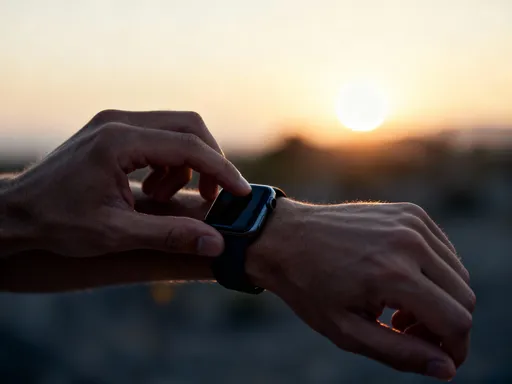
Technology can help, but only when used wisely. Wearables like smartwatches offer valuable data on heart rate, activity, and sleep, but they should complement, not dominate, self-awareness. The risk of data overload is real: obsessing over every metric can lead to anxiety and disconnection from bodily intuition. The goal is balance—using tools to enhance, not replace, internal signals. For example, a woman might use her watch to confirm she’s getting enough deep sleep, but also trust how she feels upon waking. If the data and sensation align, confidence in her routine grows.
Simplicity ensures sustainability. A system that requires more than five minutes a day is unlikely to last. The focus should be on consistency, not comprehensiveness. Tracking two or three key areas—such as sleep and energy—is more effective than attempting to monitor ten. Over time, these small observations build a reliable picture of health, enabling informed decisions without overwhelm. The most powerful systems are those that become invisible—so seamlessly woven into life that they feel less like tracking and more like living.
When to Trust Your Data—and When to See a Doctor
Self-tracking is a powerful tool, but it is not a substitute for professional medical care. Its true value lies in partnership—with your body and with your healthcare provider. Personal data becomes most meaningful when used to inform conversations, not replace them. For example, bringing a log of blood pressure readings to a doctor’s appointment allows for a more accurate assessment than a single in-office measurement. It provides context, helping to distinguish between white coat hypertension and true hypertension.
There are clear red flags that require medical evaluation. Persistent irregularities—such as consistently elevated heart rate, unexplained fatigue lasting more than two weeks, frequent dizziness, or significant changes in digestion—should never be ignored. Similarly, sudden shifts in sleep patterns, mood disturbances, or chest discomfort warrant prompt consultation. Self-monitoring should heighten awareness, not delay action. The goal is early detection, not self-diagnosis.
Trusting your data means recognizing its limits. Devices can malfunction. Perceptions can be influenced by stress or expectation. A single high reading is not a diagnosis. But trends—repeated patterns over time—are meaningful. They signal when it’s time to seek guidance. A woman who notices her resting heart rate has gradually increased over a month, despite consistent sleep and activity, may have an underlying thyroid issue. Her tracking doesn’t tell her what’s wrong, but it tells her something is changing—prompting a visit to her doctor.
In this way, self-tracking transforms patients into active participants in their care. It fosters collaboration, where personal experience and clinical expertise combine to create a fuller understanding of health. It shifts the dynamic from passive recipient to informed partner, leading to more personalized, effective interventions. The data you gather is not a report card to fear, but a compass to guide you toward greater well-being.
Building a Lifestyle That Tracks Itself
Over time, consistent tracking evolves into intuitive living. The deliberate act of journaling or monitoring becomes unnecessary because healthy choices are no longer decisions—they are defaults. You reach for water before coffee because your body has learned the difference in how it feels. You take a walk after dinner not because you’re counting steps, but because you know it supports digestion and calmness. This is the ultimate goal: a lifestyle where awareness is so ingrained that it no longer requires measurement.
The long-term benefits are profound. Resilience strengthens—minor setbacks don’t derail progress because the foundation is solid. Prevention becomes natural, as early signals are recognized and addressed before they escalate. There is a deep sense of alignment, a feeling that your daily actions reflect your values and priorities. This is not about rigid discipline, but about harmony between intention and behavior.
Daily habits become the true foundation of vitality. Each choice—what you eat, how you move, how you rest—is a vote for the future you want. Over time, these votes accumulate, shaping health not through dramatic interventions, but through quiet consistency. The real health report card isn’t handed to you by a lab. It’s written every day, in the way you live. And when you learn to read it, you gain something far more valuable than a number: understanding, agency, and the power to shape your own well-being.